

Subak: The Ancient Irrigation System That Shaped Balinese Life
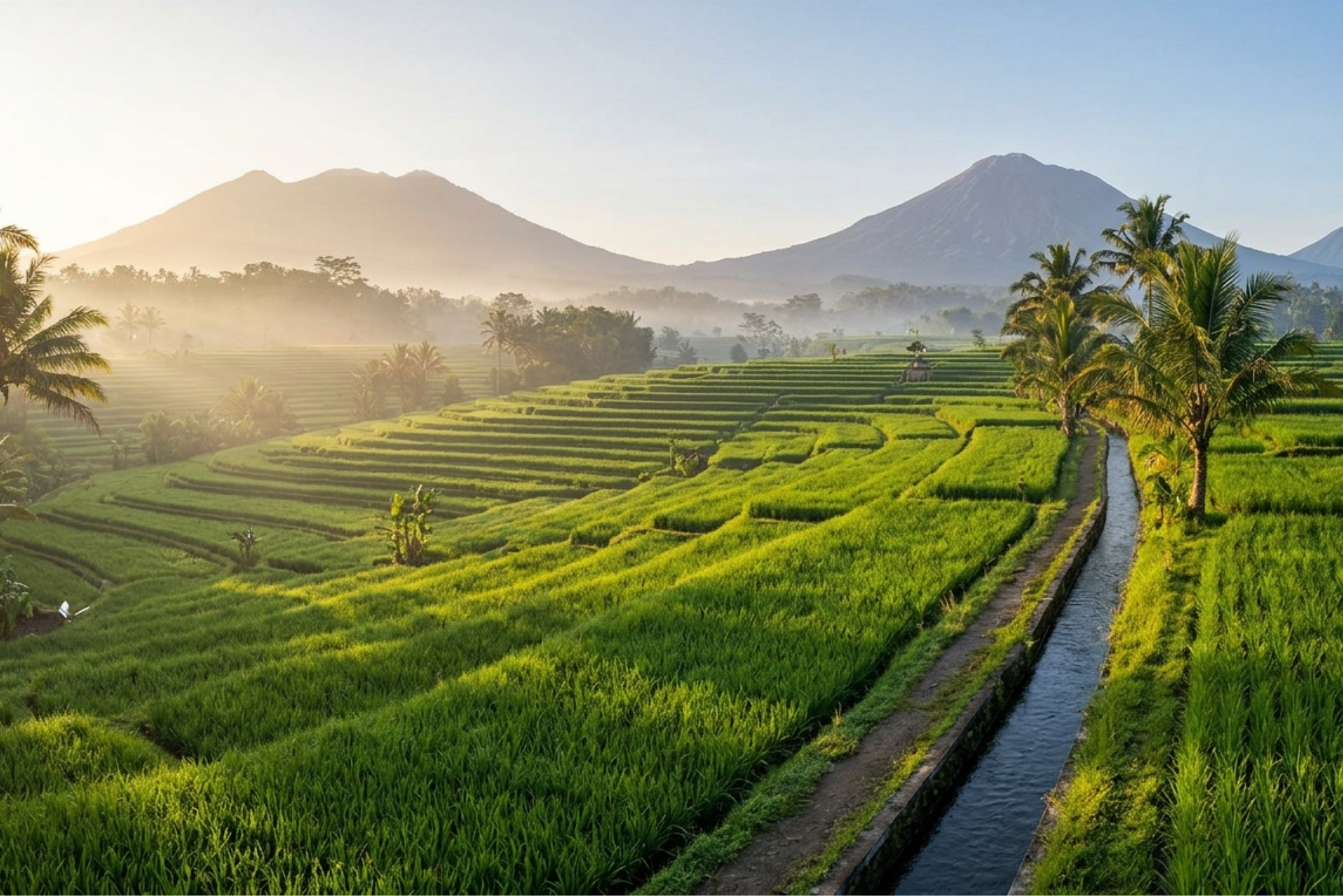
How Subak Connects Water, Culture, and Community in Bali
Behind Bali’s iconic rice terraces lies a unique system where water is shared, not owned. Subak reflects a way of life that blends cooperation, nature, and tradition into one sustainable practice.
Visitors to Bali often notice the island’s layered rice terraces, where fields follow the contours of hillsides and valleys in graceful steps. Behind this landscape lies Subak, an ancient irrigation system and community management system that has shaped Balinese agriculture and society for centuries.
More than a method of distributing water, Subak represents a balance between nature, farming, and spiritual life in Bali. It remains one of Bali’s most distinctive cultural systems and continues to operate today.
What is Subak?
Subak is a traditional cooperative irrigation system in Bali used by rice farmers in Bali. Through Subak, farmers collectively manage water distribution from rivers and mountain springs to ensure that each rice field receives the water it needs.
The system dates back more than a thousand years. Rather than individual landowners controlling irrigation independently, farmers work together through local associations known as subak, coordinating planting cycles, water flow, and maintenance of irrigation channels.
This collaborative structure ensures fairness and sustainability, allowing the agricultural landscape of Bali to function as a shared ecosystem rather than isolated plots of land.
A Philosophy of Balance
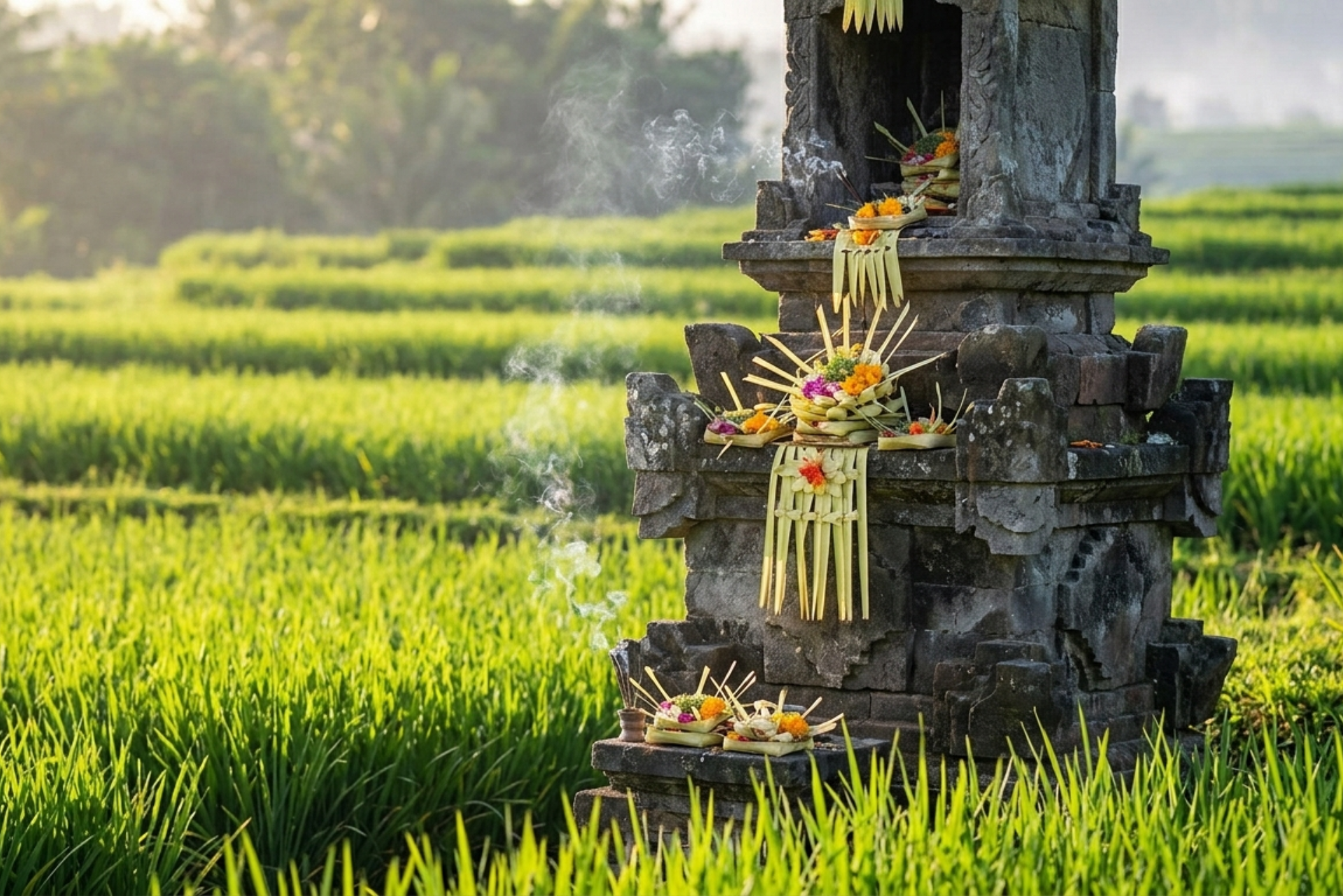
Subak is closely connected to the Balinese philosophy of Tri Hita Karana, which emphasises harmony between three elements:
• Human relationships
• Nature and the environment
• Spiritual connection
Water temples play an important role within the Subak system. These temples are not simply places of worship but also centres where Balinese farmers gather to coordinate irrigation schedules and agricultural rituals tied to the rice cycle.
Through this structure, Subak integrates environmental management with cultural and spiritual life in Bali.
How Subak Shapes the Landscape
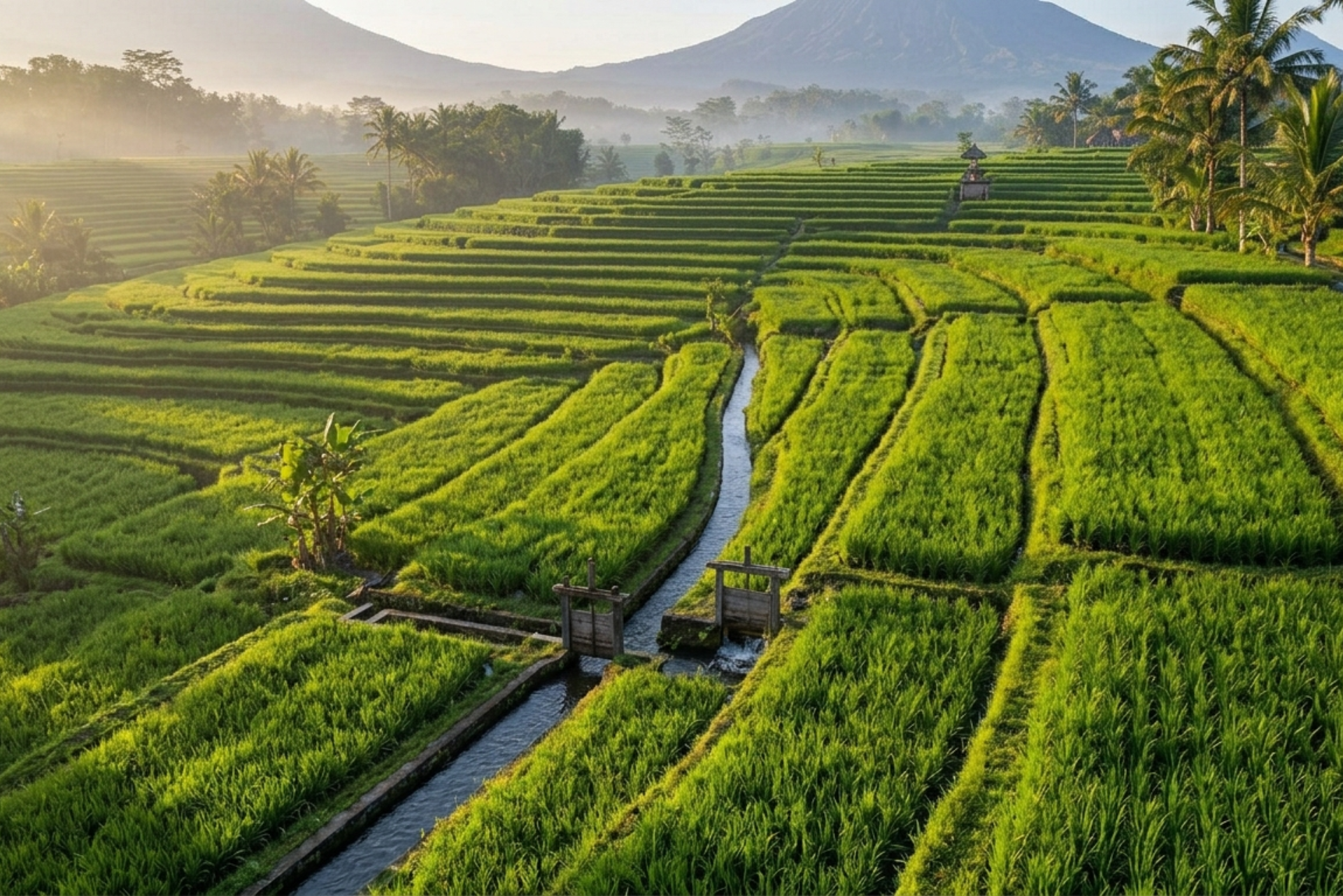
The familiar rice terraces in Bali seen throughout Bali are a direct result of Subak. Because water must move gradually across fields, farmers create stepped terraces that allow water to flow from one level to the next.
This design serves several purposes:
• Efficient water distribution
• Soil stability on hillsides
• Natural pest control through coordinated planting cycles
• Preservation of fertile agricultural land
Over time, these rice terraces have become one of Bali’s most recognisable landscapes, reflecting both practicality and visual harmony.
UNESCO Recognition
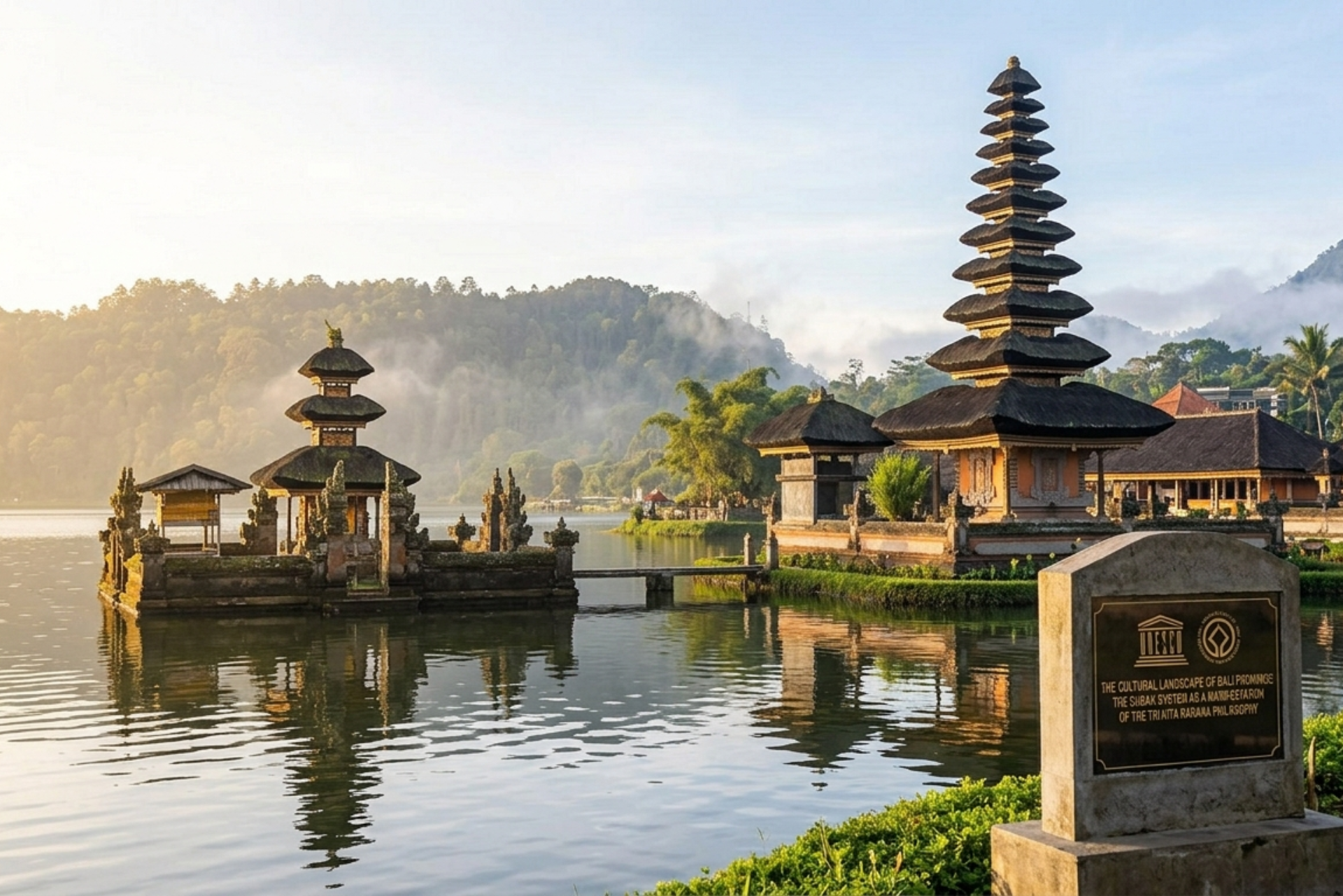
In 2012, Bali’s Cultural Landscape of Subak was recognised as a UNESCO World Heritage Site. The designation highlights the importance of Subak not only as an agricultural method but as a cultural system that connects landscape, religion, and community organisation.
The UNESCO listing includes several areas across Bali where the Subak system continues to function in its traditional form.
Subak in Bali Today
Although tourism in Bali has transformed many parts of the island, Subak remains active in rural communities. Farmers still meet to coordinate planting cycles, maintain irrigation channels, and observe ceremonies linked to agriculture.
Maintaining this traditional irrigation system is increasingly important as Bali balances development with the preservation of its cultural and environmental heritage.
For visitors, understanding Subak offers insight into how deeply agriculture, spirituality, and community are connected in Balinese life.
A Living Cultural System
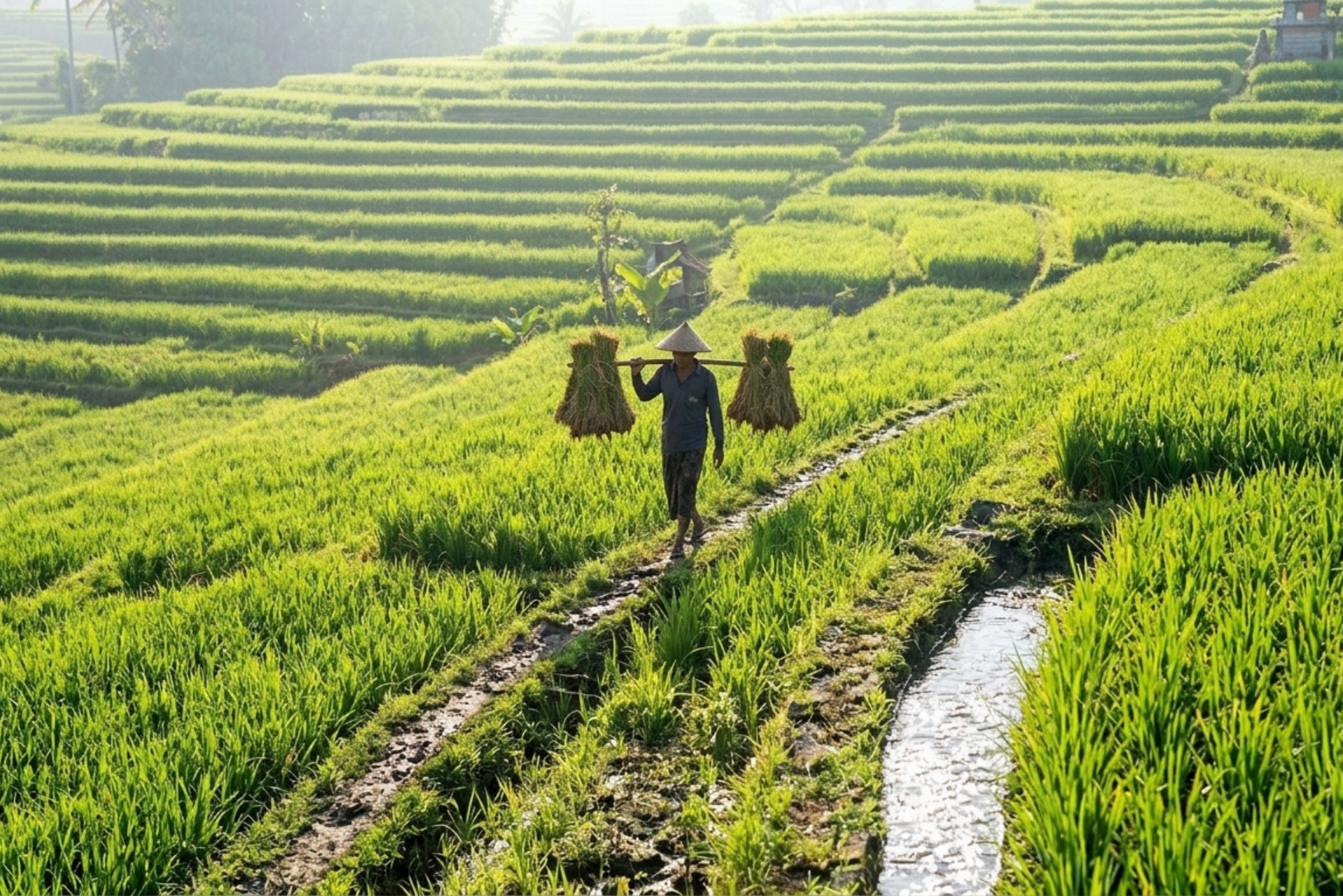
The rice terraces of Bali are often photographed for their beauty. Yet behind their visual appeal lies a sophisticated irrigation system that has allowed communities to farm sustainably for generations.
Subak continues to remind residents and visitors alike that the island’s landscapes are not only scenic, but also the result of cooperation, tradition, and respect for the natural environment.
.jpg)

